The Rise of Collaborative Art Platforms
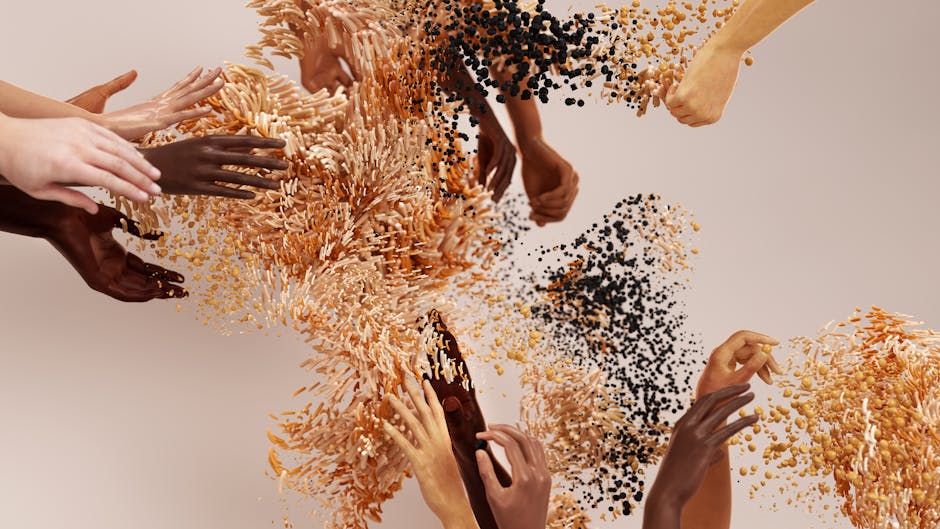
In 2026, the way artists collaborate has transformed dramatically. Gone are the days where artists were confined to solitary studios. Now, thanks to innovative digital platforms, artists from around the globe can create, share, and refine their work in real-time. MuseLink, for instance, has become a household name for artists looking to connect and co-create. This platform allows artists to build virtual studios where they can discuss concepts, share digital canvases, and receive instant feedback.
Harnessing the Power of AI in Art Creation
Artificial Intelligence has made significant strides in the art industry, offering artists tools that were unimaginable a few years ago. ArtBot is one such tool that has gained immense popularity. By analyzing an artist’s previous works, ArtBot can suggest color palettes, patterns, and even help visualize abstract concepts, making the creative process more intuitive and dynamic.
Virtual Reality: A New Dimension for Artists
Virtual Reality (VR) has opened a new world for artists, allowing them to step into their creations. Platforms like CanvasVR provide artists with immersive environments where they can sculpt, paint, and visualize their work in a 3D space. This not only enhances the creative experience but also helps artists understand spatial relationships and proportions in a new light.
Platforms for Sharing and Monetizing Art
The digital age has also revolutionized how artists share and monetize their work. ArtCloud remains a favorite for artists looking to sell their digital and physical works. More than just a marketplace, ArtCloud offers analytics tools to help artists understand their audience better, track sales trends, and engage with buyers directly.
Community Building: The Heart of Artistic Collaboration
Beyond creation and monetization, building a community is essential for modern artists. Platforms like CreativeHub are designed specifically for this purpose. Artists can join groups based on their interests, participate in online workshops, and even collaborate on community projects. This sense of community fosters support, inspiration, and innovation, allowing artists to grow and evolve together.
Practical Takeaway: Integrate These Tools into Your Creative Process
As an artist in 2026, it’s crucial to embrace these digital tools and platforms. Not only do they enhance your creative capabilities, but they also provide opportunities for collaboration and exposure that were previously unattainable. By integrating these tools into your practice, you can expand your creative horizons, connect with other artists, and share your art with a wider audience.