How to Find Reliable News Sources Online
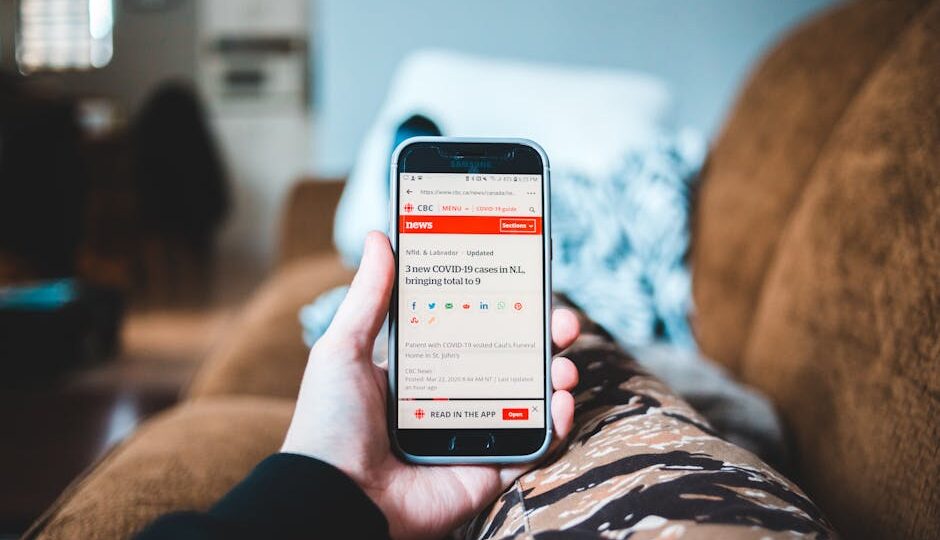
In 2026, the digital landscape is more crowded than ever. With an overwhelming amount of information available at our fingertips, finding a trustworthy news source can feel like searching for a needle in a haystack. Whether you’re on your morning commute, sipping your coffee, or taking a moment for yourself, knowing where to turn for credible news has never been more important. Let’s unpack some practical ways to ensure the news you consume is accurate and reliable.
Understand the Difference Between News and Opinion
It’s easy to get swept up in the flurry of headlines, but not all content is created equal. The first step to finding reliable news sources is recognizing the difference between factual reporting and opinion pieces. News articles aim to provide unbiased information, covering the who, what, when, where, why, and how of an event. On the other hand, opinion pieces, editorials, or analysis articles present a writer’s personal viewpoint. Getting into the habit of checking the section of the publication can save you from mistaking opinions for facts.
Check the Source’s Reputation
Reputation is everything in journalism. Established news organizations like The New York Times, The Guardian, and BBC News have built a legacy of trust over decades. They employ fact-checkers and maintain strict editorial standards. However, newer outlets can also be credible. Websites like ProPublica and Axios have gained respect for their investigative journalism and concise reporting. Look for sources that others in the industry cite or those that are known for winning journalism awards like the Pulitzer Prize.
Evaluate the Source’s Transparency
A reliable news source will be transparent about its processes, ownership, and funding. Explore the “About” section of the website to understand who owns the publication, what their mission is, and how they fund their operations. News outlets that disclose their editorial policy and the credentials of their contributors are more likely to adhere to ethical journalism standards. For example, NPR provides detailed information about its governance and funding, fostering trust among its audience.
Look for Multiple Perspectives
In an age where bias can sway public opinion, it’s crucial to consume news from multiple perspectives. You might find it beneficial to regularly check a mix of both domestic and international sources. For instance, comparing reports from CNN and Fox News in the US with Al Jazeera and BBC can provide a more rounded view. Tools like Ground News offer bias ratings and display how different outlets are covering the same story, helping you see the bigger picture.
Utilize Fact-Checking Resources
Before accepting any news at face value, take advantage of fact-checking websites. Snopes, FactCheck.org, and the Poynter Institute’s PolitiFact are excellent places to verify information. These platforms investigate claims and provide evidence-based assessments. In 2025, a study showed that articles debunked by fact-checkers received 80% less online engagement, which underscores the importance of scrutinizing sources before sharing them.
Stay Informed About Algorithm Influence
Algorithms play a significant role in what news we see online. Social media platforms and search engines use algorithms to prioritize certain content, which can lead to echo chambers where only biased or sensationalized news is displayed. Being aware of this can help you understand why certain stories appear on your feed. Proactively searching for news and using platforms that offer diverse viewpoints—such as Flipboard or Feedly—can break the algorithmic bubble.
By tuning into these strategies, you can navigate the vast digital news landscape with confidence. Reliable news consumption requires more than just passive reading; it demands active engagement and a critical eye. As you build your personal list of trusted sources, remember that staying informed is a continuous journey, not a destination.
Practical Takeaway
The next time you click on a headline, pause and consider the source. Check its reputation, understand its perspective, and verify through trusted fact-checkers. In doing so, you’ll empower yourself to engage with the world around you more knowledgeably and responsibly.